THE DOURO VALLEY
Where to Stay in the Douro Valley
Pinhão, a Vineyard Quinta, or Régua? How to Choose the Right Base for Your Douro Valley Stay
Choosing where to stay in the Douro Valley is different from choosing a hotel in Porto or Lisbon.
The Douro isn't a compact destination where most of what you want to see is concentrated around one center. Vineyards, towns, wine estates, restaurants and viewpoints are spread along the river and across the surrounding hillsides.
That means the first question isn't really which hotel should you book?
It's:
What kind of Douro experience do you want?
For many first-time visitors, Pinhão is the easiest place to begin, particularly if you're traveling by train or spending only one night in the valley.
A vineyard quinta can be a better choice when waking up among the vineyards, slowing down and enjoying the property itself are important parts of the trip.
And Peso da Régua and the western Douro can make more sense if you're driving, exploring a wider area or placing transportation and flexibility ahead of atmosphere.
Choose the experience first. Choosing the hotel becomes much easier afterward.
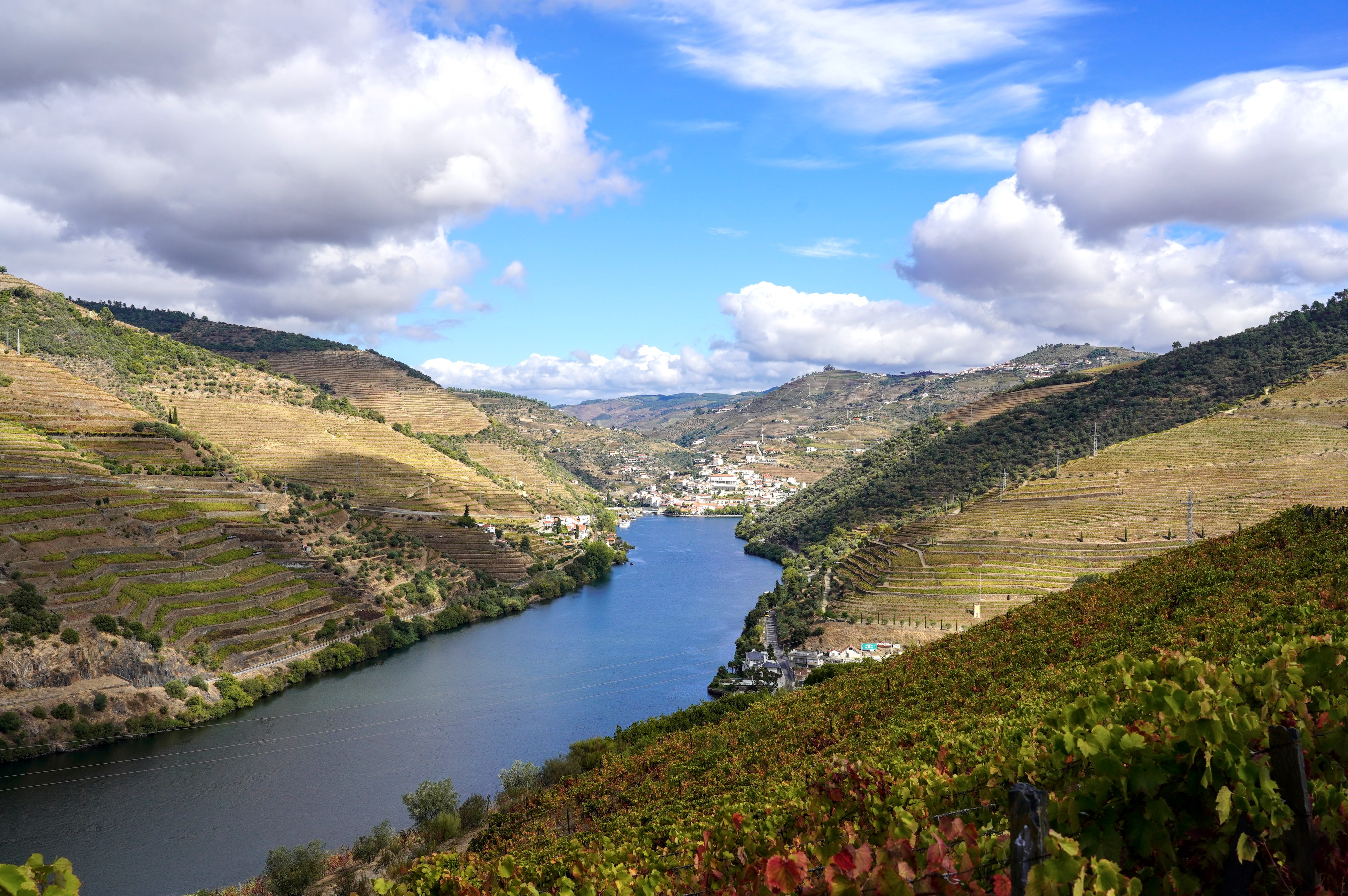
At a Glance: Where Should You Stay?
Stay in Pinhão if...
This is your first Douro overnight, you're arriving by train, or you want river scenery and wine country without creating unnecessary transportation complications.
Stay at a vineyard quinta if...
Waking up among the vineyards is part of why you're coming to the Douro and you're comfortable planning transportation, meals and winery visits around the property.
Stay around Régua or the western Douro if...
You're driving, want broader access to the region, or value transportation and flexibility more than being isolated among the vineyards.
These aren't rigid categories. Some vineyard properties sit close enough to Pinhão or Régua to combine advantages from more than one option.
That's why we would choose the type of stay first and compare individual hotels afterward.
Why Where You Stay Matters in the Douro
Distances in the Douro can be deceptive.
Two places that appear close together on a map may be separated by steep, narrow or winding roads. Moving between wineries, restaurants and accommodations can take longer than the mileage suggests.
Before choosing a hotel, answer four questions:
How will you get there?
How will you visit wineries or other parts of the valley?
Where will you eat?
Do you want the hotel itself to be part of the Douro experience?
Those answers can matter more than whether one property has a slightly better room or another has a larger pool.
Option 1 — Stay in Pinhão
For many travelers spending their first night in the Douro, Pinhão is the easiest place to start.
The town sits directly on the Douro, has rail connections with Porto and provides relatively easy access to river experiences and surrounding wine estates.
That combination matters.
You can arrive by train, walk along the riverfront, take a boat trip, arrange winery experiences and return to a recognizable base rather than depending entirely on transportation to and from an isolated property.
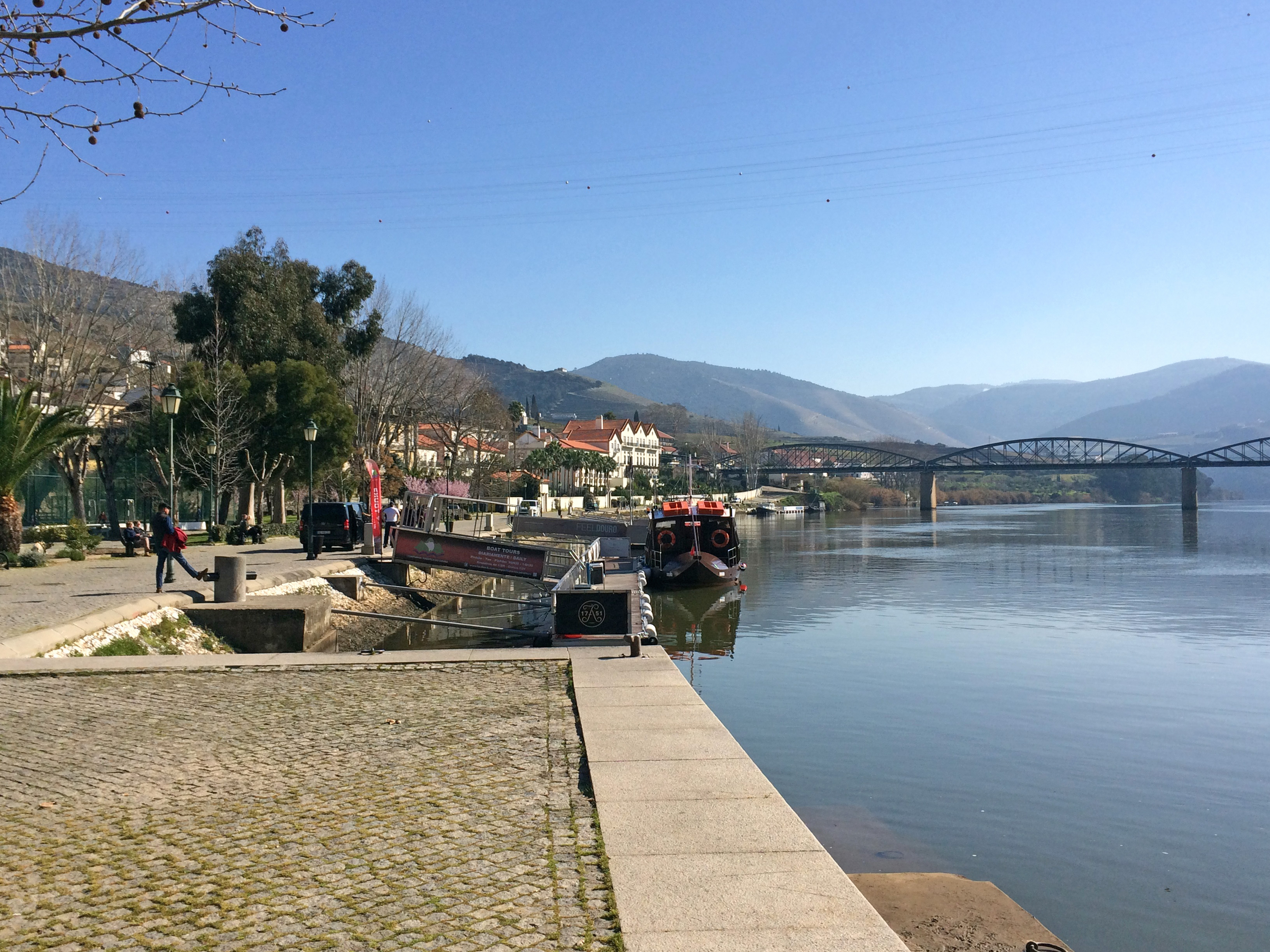
Pinhão works particularly well if:
- You're staying only one night.
- You're traveling without a rental car.
- This is your first Douro visit.
- You want wine-country scenery without feeling isolated.
- You want to minimize transportation complications.
The tradeoff: Staying in Pinhão isn't the same experience as retreating to a vineyard estate.
If part of your vision of the Douro is sitting outside a quinta after the day's visitors have left, waking among the vineyards and allowing the property itself to become part of the trip, staying in town may feel more practical than immersive.
Three properties that illustrate the choices
The Vintage House — Douro represents the special-occasion side of staying in Pinhão: a prominent riverfront location and a property that can become part of the experience.
LBV House Hotel illustrates the more practical side of using Pinhão as your base.
Quinta de la Rosa shows why these categories aren't absolute. It offers the vineyard-estate experience while remaining close enough to Pinhão to retain some of the advantages of the town.
The point isn't that one is universally better.
It's that they create different trips.
Option 2 — Stay at a Vineyard Quinta
For some travelers, staying at a vineyard quinta is the reason to spend the night in the Douro.
A quinta is an estate or property, and many in the Douro are connected with wine production. Some now combine vineyards and winemaking with guest rooms, restaurants, tastings and other visitor experiences.
The appeal is easy to understand.
You wake up in wine country rather than traveling into it.
Breakfast can overlook the vineyards. A tasting may take place on the property. You may have somewhere beautiful to walk or simply sit as the light changes across the valley.
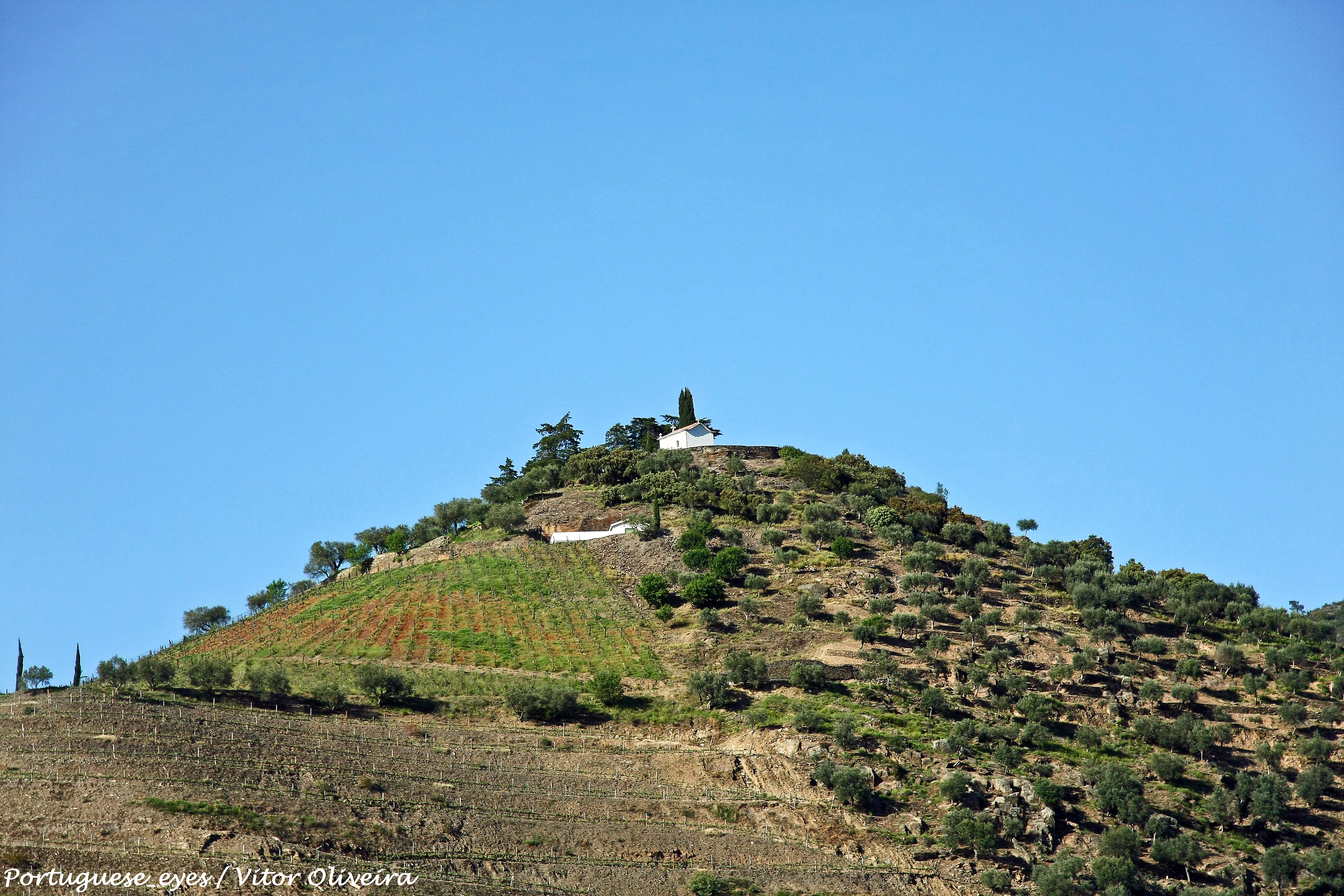
That can be especially compelling when you're spending two nights rather than one because you actually have time to enjoy the property you've paid to stay in.
A vineyard stay is worth considering if:
- Wine and scenery are important reasons for visiting.
- You're spending two nights in the valley.
- You're comfortable arranging transportation.
- You want some unstructured time rather than filling every hour.
- The accommodation itself is something you want to experience.
But the romance of an isolated quinta can obscure a practical question:
What are we going to do for dinner?
Some properties have excellent restaurants. Others don't. Some require advance reservations. And a restaurant that appears only a few miles away may involve a winding drive or require a taxi or transfer.
If you're planning to drink wine with dinner, transportation matters even more.
Before booking an isolated quinta, check the restaurant situation and determine how you will get elsewhere if you need to.
Don't Forget About Lunch
Lunch deserves some planning too.
In the Douro, lunch can become one of the day's experiences rather than simply a break between winery visits.
Depending on the trip, that might mean a winery or estate lunch, a tasting followed by lunch, a meal along the river in Pinhão or Régua, or something lighter that leaves more of the afternoon open.
A substantial winery lunch can consume a meaningful portion of the afternoon.
That isn't necessarily lost sightseeing time.
It may be one of the experiences you came to the Douro for.
If a special winery lunch matters to you, reserve it before filling the rest of the day with tastings and transportation.
Properties that illustrate the quinta experience
Quinta de la Rosa is useful because it combines a working wine estate with proximity to Pinhão.
Quinta do Vallado, near Régua, illustrates another version of the experience: a historic wine estate where the property and wine-country setting can become important parts of the stay.
Don't choose a property simply because the word quinta sounds romantic.
Choose it because staying there improves the kind of Douro experience you actually want.
Option 3 — Stay Around Peso da Régua and the Western Douro
Peso da Régua plays a different role from Pinhão.
Historically important to the Port wine trade, Régua is also one of the Douro's transportation and service centers, with rail connections to Porto and Pinhão and useful access to surrounding areas.
For travelers with a car—or anyone treating the hotel primarily as a base for broader exploration—that practicality can be an advantage.
Régua and the western Douro make particular sense if:
- You're driving.
- You want to explore more than one part of the valley.
- You're continuing elsewhere after the Douro.
- You value access and flexibility.
- You don't need your accommodation to feel isolated from town.
The tradeoff is atmosphere.
A practical town location doesn't necessarily create the same experience as waking at a vineyard estate surrounded by terraces.
Again, that doesn't make one better.
It makes them suitable for different trips.
Three different ways to stay in this part of the Douro
Crisol Régua Douro represents the practical town-base approach.
Quinta do Vallado provides another possibility: convenient access combined with a genuine wine-estate setting.
And Six Senses Douro Valley, near Lamego, represents something different again—a destination resort where the hotel itself can become a significant part of why you're staying in the area.
That last category deserves some restraint.
If you're paying for an extraordinary hotel, give yourself enough time to enjoy it.
There is little value in choosing a destination property and then leaving early in the morning and returning late at night every day.
What If You Don't Have a Car?
You can absolutely spend a night in the Douro without renting a car.
But where you stay becomes more important.
Pinhão is particularly attractive because of its rail connection and relatively compact riverfront setting. Régua also has rail service and can work as a transportation base.
The complication usually begins after you leave the railway.
A remote vineyard property may require a taxi, private transfer or transportation arranged through the hotel. The same may be true when traveling between wineries.
So don't choose a remote hotel first and figure out transportation afterward.
Decide how you want to move around the Douro, then choose accommodation that works with that plan.
We'll handle this decision in much greater detail in Douro Valley Without a Car.
One Night or Two?
If you're spending one night, simplicity becomes especially valuable.
Pinhão is a strong starting point because you can reach the valley, enjoy it and spend the night without adding unnecessary transportation complexity.
A quinta can also work beautifully for one night if the property itself is deliberately part of the experience.
With two nights, a vineyard stay becomes more attractive.
You have enough time to enjoy the accommodation rather than merely sleeping there between scheduled activities. A slow breakfast, an afternoon at the property or an evening without needing to return to Porto can begin to justify choosing a more immersive setting.
A Hotel or a Quinta?
Don't read too much into the word quinta.
It can describe very different experiences.
One property may be a working winery with only a handful of rooms. Another may function much more like a sophisticated wine hotel or resort.
Before booking, ask:
- Does the property actually produce wine?
- Can you tour or taste there?
- Is there a restaurant?
- How far is it from the nearest town?
- Will you need a car or transfer?
- Is there somewhere you'd genuinely enjoy spending part of an afternoon?
A wonderful quinta for one traveler can be frustrating for another.
The label matters less than how the property fits the trip.
Before You Book
Confirm how you will arrive and leave.
If you're driving, check parking and the route.
If you're arriving by train, check the actual distance from the station. Don't rely only on a description saying the hotel is “near Pinhão” or “near Régua.”
Arrange transportation before winery reservations. Don't lock yourself into experiences that are difficult to reach.
Check the restaurant situation. This is particularly important at remote properties.
Plan a special winery lunch early. If it matters to you, reserve it before building the rest of that day's schedule.
And consider the season. A terrace, pool, vineyard walk or long evening outside may be a meaningful part of one stay and much less important during another time of year.
Don't spend beautiful Douro time solving a transportation or meal problem you could have solved before the trip.
If We Were Planning the Trip
First visit, one night, no car
We would begin by looking at Pinhão.
Two nights, wine & scenery
If slowing down were an important reason for visiting, we would seriously consider a vineyard quinta.
Driving & broader exploration
We would compare Régua and nearby wine properties rather than assuming Pinhão had to be the base.
And if we chose an extraordinary hotel because the hotel itself was part of the dream, we would leave enough room in the itinerary to enjoy it.
Those aren't rules.
They're useful starting points for making the decision smaller.
THE DECISION
Choose the Experience Before the Hotel
The easiest way to make this decision unnecessarily difficult is to begin on a hotel-booking site with dozens of properties scattered across the Douro.
Start somewhere else.
What do we want our night in the Douro to feel like?
For many first-time visitors—especially those traveling by train or staying only one night— Pinhão is the most straightforward place to begin.
If waking among the vineyards and spending time at the property are important parts of the trip, a vineyard quinta may be worth the additional planning .
And if you're driving or want greater mobility, Régua and the western Douro deserve serious consideration .
Once you've made that decision, the hotel search becomes much smaller.
And much clearer.
Photo Credits
Douro Valley / Quinta do Seixo — Maheva Bagard Laursen, CC BY 2.0, via Wikimedia Commons. Cropped from original.
Pinhão waterfront — Herbert wie, CC BY-SA 4.0, via Wikimedia Commons. Cropped from original.
Quinta do Crasto / Douro Valley — Vitor Oliveira, CC BY-SA 2.0, via Wikimedia Commons. Cropped from original.