PORTO & THE DOURO VALLEY
How Many Days in Porto & the Douro Valley?
How to divide your time
For most first-time visitors, four to five days is a good amount of time for Porto and the Douro Valley combined.
Four days is the practical starting point: Porto makes a comfortable base, and the Douro works well as a full-day excursion. With five days, you have more freedom to make the Douro part of the stay rather than simply a day out from Porto.
If you have just three days, the combination can still work: protect two days for Porto and use the third for the Douro.
The more important question isn't simply how many days Porto needs or how many days the Douro needs.
It's this:
Of the limited days you have in Portugal, how many should you give each one?
That matters because Porto and the Douro offer very different experiences—and adding a night to one means taking that night from somewhere else.
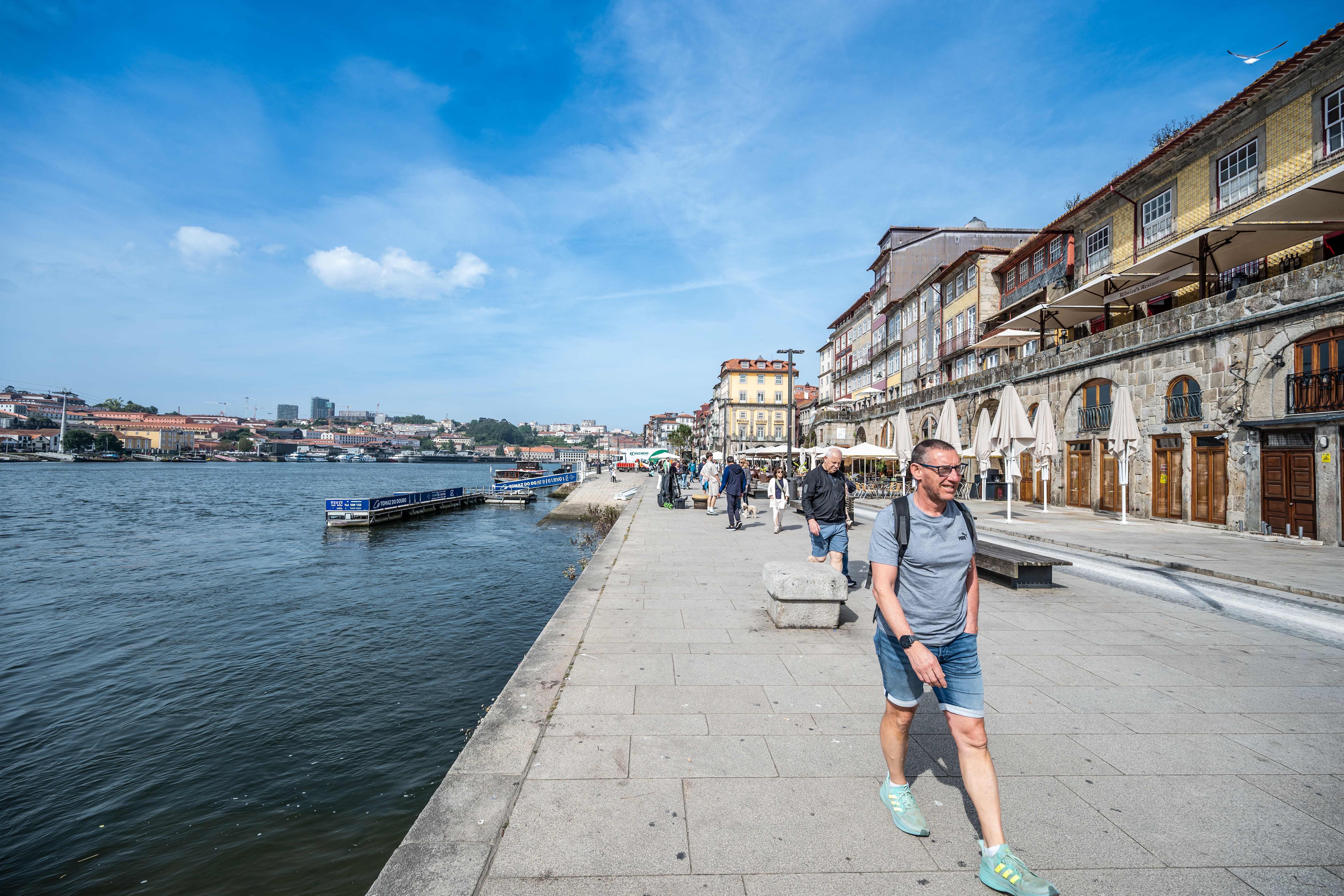
At a Glance: How Much Time Should You Allow?
| If You Have | A Good Starting Point | What the Trip Feels Like |
|---|---|---|
| 3 days | 2 days Porto + 1 Douro day trip | Compressed, but worthwhile |
| 4 days | About 3 days Porto + 1 Douro day trip | Comfortable for a first visit |
| 5 days | Porto for most of the stay + 1 night in the Douro | A strong balance of city and countryside |
| 6+ days | About 3 days Porto + potentially 2 Douro nights | Best for wine-focused or slower travel |
For most first-time travelers, four days is the practical starting point; five gives you more freedom to make the Douro part of the stay rather than simply a day out from Porto.
That doesn't mean everyone needs five days. It means the fifth day changes the choices available to you.
If You Have 3 Days: Keep It Simple
With three usable days, we would give two to Porto and one to the Douro Valley.
This is not a leisurely visit, but it is enough time to experience both without reducing Porto to a hurried stop.
The temptation is to squeeze Porto into one day so that the Douro can receive more time. For most first-time visitors, we wouldn't make that trade.
Porto deserves time to move beyond a quick look at the riverfront. Its historic center, neighborhoods, churches, viewpoints, food and relationship with the Douro River are part of the reason to come north in the first place.
Use the third day for the valley.
A Douro day trip can provide scenery, vineyard country and a very different sense of northern Portugal without requiring another hotel change.
And there is nothing second-rate about choosing a day trip.
An overnight gives you something different, but that doesn't make it necessary.
What you gain: You experience both Porto and the Douro within a short northern Portugal stay.
What you give up: There is little margin for a slow day, poor weather, a late arrival or simply deciding that you want more time somewhere. The Douro also remains an excursion rather than somewhere you settle into.
If three days is what your Portugal itinerary allows, however, we would rather see you do this well than try to force four days of experiences into three.
If You Have 4 Days: The Most Practical First Visit
Four days is where Porto and the Douro begin to fit together comfortably.
For many first-time travelers, we would stay in Porto and devote one full day to the Douro.
You unpack once. You keep your Porto hotel as a base. You have more flexibility if weather or plans change. And you avoid using part of a short trip checking out of one hotel, moving luggage and checking into another.
That last point deserves consideration. An overnight isn't free simply because the hotel fits your budget. Changing bases costs time and effort too. Packing, luggage handling, transportation and another check-in all use part of the vacation.
If unpacking once and settling into Porto sounds more like the trip you want, a well-planned Douro day trip may be the better choice even when you technically have time to stay overnight.
You also have enough time in Porto that the city doesn't need to feel like a checklist.
For travelers fitting Porto and the Douro into a larger 7-to-14-day Portugal trip, that efficiency can matter.
But four days is also where the first genuine choice appears:
Should you spend every night in Porto, or move one night to the Douro?
For most travelers with only four days, we would keep the Porto base.
We would start considering a Douro overnight if the valley is one of the main reasons you're coming north—particularly if wine, countryside, scenic accommodations and slower travel matter more to you than additional time in the city.
A Douro overnight isn't automatically an upgrade.
It is a different way of using limited vacation time.
If You Have 5 Days: Let the Douro Become a Destination
With five usable days, the balance changes.
This is where we would seriously consider keeping Porto for most of the stay while moving one night to the Douro Valley.
Not because you suddenly need another long list of things to do.
The greater advantage is simpler:
A night in the Douro doesn't necessarily buy you another day of sightseeing. It buys you freedom from the return trip.
That changes the rhythm of the visit.
You don't have to plan every experience around the question, “When do we need to head back to Porto?”
A later winery visit becomes easier. A long lunch doesn't automatically create pressure. Dinner can become part of the Douro experience rather than something waiting for you after the journey back.
And the following morning begins in the valley.
For travelers who value scenery, food, wine and a slower pace, that can be more meaningful than adding another attraction to the itinerary.
The tradeoff remains the hotel change: you need to manage luggage, transportation and where in the valley you actually want to stay. Travelers who particularly value the simplicity of one base may still prefer spending all five days from Porto.
If You Have 6 Days or More: Don't Automatically Add Nights
Once you have given Porto enough time and included an overnight in the Douro, another question becomes more important:
What would another night here actually add to your Portugal vacation?
For some travelers, quite a lot.
If wine is a major interest, two Douro nights can provide room for multiple winery visits without turning the trip into a tasting marathon.
If you enjoy scenic driving, quiet mornings, long meals, distinctive country accommodations or simply moving more slowly, a second night can change the experience substantially.
But we would not make two Douro nights the default for every first-time visitor.
Suppose you have ten days in Portugal. A second Douro night isn't free. It may mean less time in Lisbon, skipping another destination, or making another part of the trip more rushed.
So instead of asking:
“Would we enjoy another night in the Douro?”
ask:
“Is the Douro the best place to spend one of our remaining Portugal nights?”
Those are different questions.
And answering the second one usually produces a better itinerary.
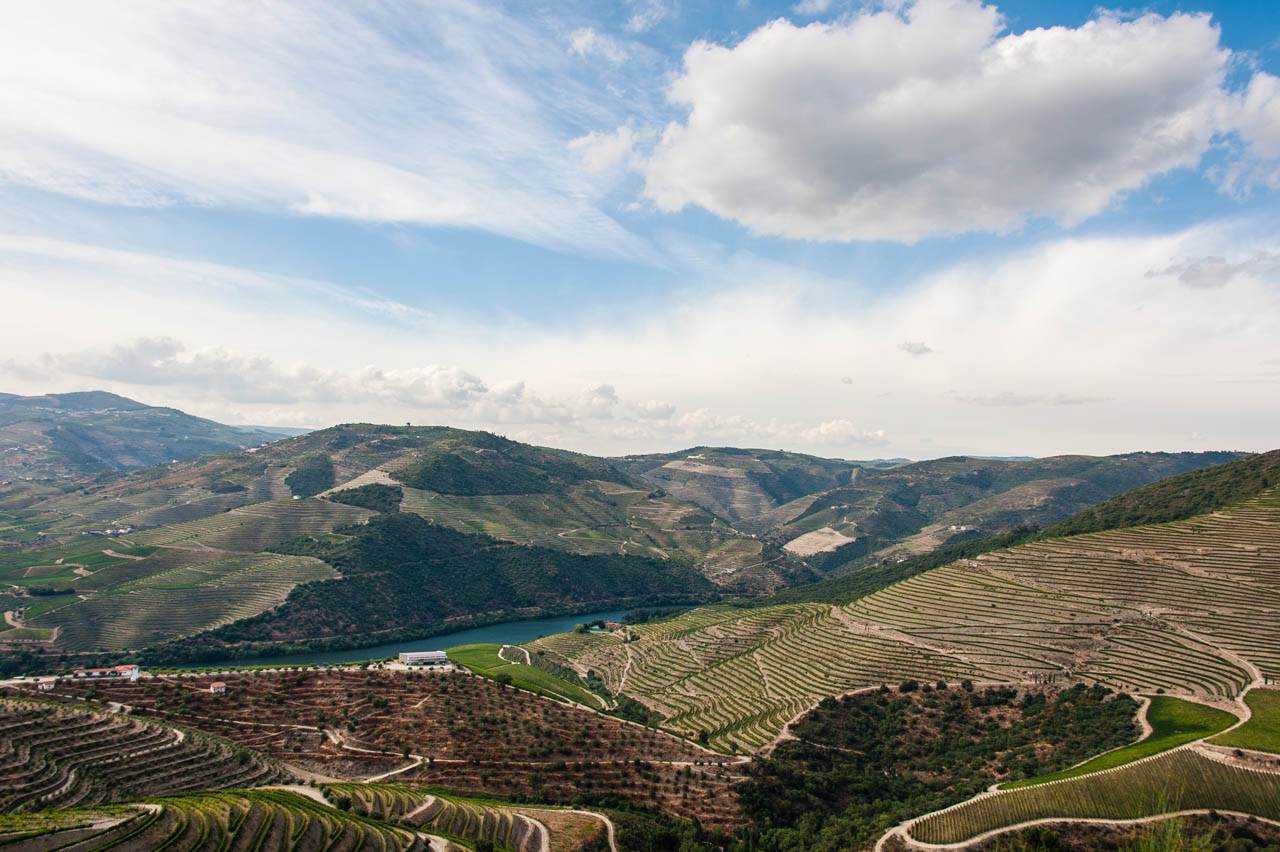
Douro Valley Day Trip or Overnight?
Neither choice is inherently better. They suit different trips.
Choose a Douro day trip when...
Time is limited, you'd rather avoid changing hotels, or what you primarily want is the scenery, wine country and a meaningful introduction to the valley.
Returning to Porto can be an advantage rather than a compromise.
Consider one night in the Douro when...
The landscape itself is important to you, wine and food are significant interests, you enjoy quieter evenings and mornings, or a distinctive quinta, wine hotel or country property is part of the experience you want.
Consider two nights when...
The Douro itself is one of the principal reasons for your Portugal trip—perhaps because you're particularly interested in wine, want to visit several estates, enjoy countryside accommodations, or deliberately prefer slower travel.
Two nights can make sense. They just shouldn't be automatic.
Porto or the Douro: Where Should the Extra Night Go?
Imagine that the rest of your Portugal itinerary is set and you discover that you have one extra night.
Here's the test we would use.
Give the night to Porto if...
You enjoy cities, architecture, history, restaurants, neighborhoods and exploring independently.
Porto rewards time that isn't tightly programmed. An extra night can give you another evening in the city and another morning without turning either into a race.
Give the night to the Douro if...
Wine, countryside and landscape are among the things you're most looking forward to in Portugal.
You value a slower pace, like the idea of ending the day in the valley rather than leaving it, or the accommodation itself is part of what attracts you.
In those circumstances, the overnight changes more than your sleeping location. It changes how you experience the day.
Give the night to neither if...
You already have roughly three days for Porto and an overnight in the Douro—and another important part of Portugal is being squeezed.
This may be the easiest option to overlook.
Another night in Porto would probably be enjoyable. Another night in the Douro would probably be enjoyable too.
But the purpose of an itinerary isn't to maximize the number of nights you can justify in each destination.
It is to build the best vacation from a finite number of days.
What If Wine Isn't That Important to You?
You do not need to be a serious wine traveler to justify visiting the Douro.
The Alto Douro Wine Region is a UNESCO World Heritage cultural landscape shaped by centuries of viticulture. The terraced hillsides, river, villages, quintas and human transformation of difficult terrain are fundamental parts of its identity.
In other words, the Douro is more than a collection of places to taste wine.
Someone who rarely drinks wine can still find the landscape and journey worthwhile.
What changes is the amount of time we would allocate.
If wine holds little interest and this is your first Portugal trip, a good Douro day trip may give you much of what you're looking for.
The argument for multiple nights becomes stronger when wine, countryside accommodation and slow travel are important parts of the vacation.
What If You Don't Want to Drive?
You do not need a rental car simply to include the Douro in your trip.
Rail service connects Porto with points in the valley, including Régua and Pinhão, and the journey itself can be part of the experience. Tours and river-based experiences provide other ways to visit without driving.
A car offers flexibility, but flexibility isn't the same as necessity.
And if wine tasting is one of the main reasons you're visiting, think about transportation before assuming a rental car is the obvious choice. The person driving still has to drive after the tastings.
The more useful question isn't:
“Do we need a car?”
It is:
“How do we want to experience the Douro?”
Driving, train travel and an organized tour produce different kinds of days.
We'll address those choices separately in Douro Valley Without a Car.
Three Ways to Think About the Trip
At this point, the decision can be reduced to three useful starting points.
First Portugal trip — about 4 days
Keep Porto as your base and devote a day to the Douro. This works particularly well when Lisbon and other destinations are competing for the same vacation days.
Food, wine & scenery trip — about 5 days
Give Porto meaningful time and consider one Douro overnight. The valley becomes somewhere you stay rather than simply somewhere you visit.
Slow Douro trip — 6 days or more
Consider two Douro nights when wine, countryside, scenery and slower travel are among your highest priorities. Choose this deliberately, not because someone told you that you “need” two nights.
One Planning Detail That's Easy to Miss
Where you're going after the Douro matters.
It is easy to plan Porto first and the Douro second because that looks logical on paper.
But before booking accommodations, look at the next stage of the trip.
An overnight in the valley can be wonderful, but unnecessary backtracking can quickly consume some of the time you were trying to gain. Likewise, Porto's transportation connections may make it useful to return there before continuing elsewhere.
The right sequence depends on the rest of your itinerary and your transportation choices.
So don't book the Douro night in isolation.
Ask:
Where are we coming from, and where are we going next?
This is one of those small planning decisions that is much easier to solve before the hotels are booked than afterward.
Before You Book the Douro Portion of Your Trip
Decide whether the Douro will be a day trip or an overnight. That decision determines almost everything that follows.
If you're staying overnight, decide where in the valley makes sense. “The Douro” covers a substantial area. Where you sleep affects what is practical around it. Our Where to Stay in the Douro Valley guide will help with that decision.
Decide how you want to get there and move around. If you don't plan to drive, see Douro Valley Without a Car.
Decide how much structure you want in the day. Some travelers want transportation and winery arrangements handled for them. Others want more independence. That's the decision we'll tackle in How to Choose a Douro Valley Wine Tour.
Notice what's missing from that sequence:
Booking the tour first.
Decide what kind of Douro experience you want before buying the product that delivers it.
THE DECISION
So, How Many Days Should You Spend in Porto and the Douro?
If you're still uncertain, start with four days.
That gives Porto enough breathing room for a first visit while leaving space for a meaningful Douro day.
If your Portugal itinerary can comfortably spare a fifth day—and the Douro is one of the experiences you're especially looking forward to—consider spending a night in the valley.
The difference is not simply that five days lets you see more.
It lets you travel differently.
And once you've given Porto sufficient time and allowed the Douro to become part of the trip, don't automatically keep adding nights.
Look at the rest of Portugal.
The question isn't how much time you could spend here.
It's how much time will help you have the Portugal vacation you actually want.