PORTUGAL TRIP PLANNING
What Is Actually Worth Seeing in Lisbon?
How to Decide What Deserves Your Time on a First Visit
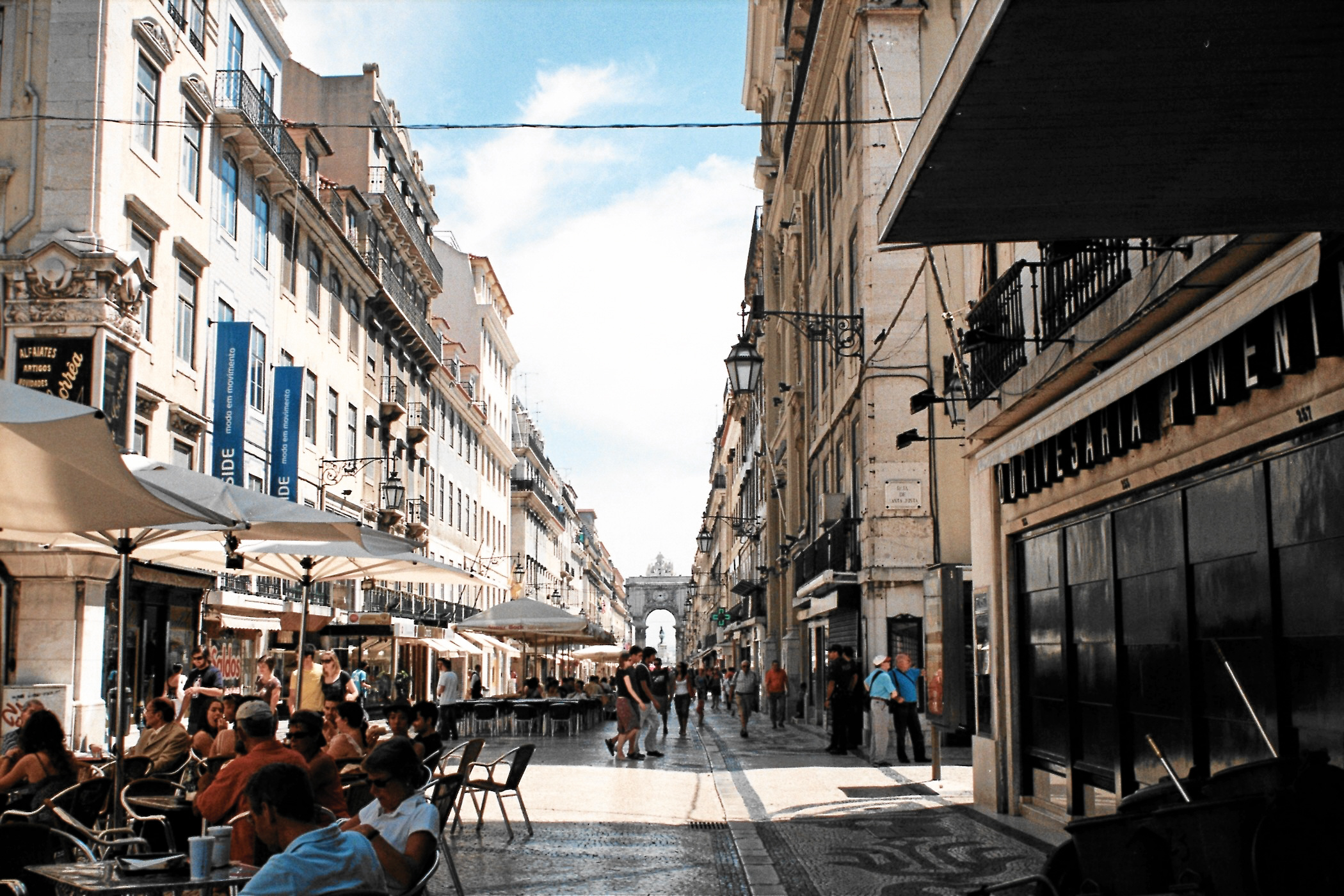
Lisbon creates an unusual problem for first-time visitors.
There is no shortage of things to see.
Castles. Monasteries. Churches. Museums. Historic neighborhoods. Viewpoints. Markets. Riverfronts. Famous trams. Fado houses. Pastry shops.
It is easy to begin planning with a list.
Then the list gets longer.
And eventually a trip to Lisbon becomes an attempt to move efficiently between things somebody else said you were supposed to see.
There is a better way to plan.
Instead of asking:
What are the most famous attractions in Lisbon?
Ask:
If I leave Lisbon having experienced only a few things, which experiences will help me feel that I actually understood the city?
That changes the itinerary.
Because Lisbon is not one experience.
It is an old city built across hills.
It is neighborhoods and viewpoints.
It is a capital shaped by the Tagus River and Portugal's maritime history.
And it is a living city of food, music, streets and everyday life.
You do not need to experience all of it.
But you should experience enough of its different sides to understand why Lisbon feels like Lisbon.
The Short Answer
For a first visit, think about Lisbon in three parts.
Historic Lisbon — Experience the city itself.
Spend meaningful time in Alfama and the older center of Lisbon.
Walk.
Look up.
Climb a hill.
Stop at a viewpoint.
Let streets, squares, buildings and neighborhoods become part of what you came to see.
Maritime Lisbon — Understand Portugal's relationship with the world.
Go to Belém if Portugal's history genuinely interests you.
Jerónimos Monastery, the Tagus waterfront and the monuments of Belém tell a different Lisbon story—one connected with exploration, maritime power and Portugal's place in the wider world. Jerónimos Monastery and Belém Tower together form a UNESCO World Heritage property closely associated with Portugal's Age of Discoveries.
Lisbon as an experience — Leave room for something that isn't sightseeing.
Have a meal.
Sit at a viewpoint.
Listen to Fado.
Stop for coffee.
Walk somewhere because the street looks interesting.
Allow part of Lisbon to happen without requiring an admission ticket.
The best first visit usually contains some of all three.
Historic Lisbon. Maritime Lisbon. Experienced Lisbon.
Start there.
1. Historic Lisbon — Alfama, Baixa and Chiado
If you have limited time in Lisbon, begin with the city.
That sounds obvious.
It isn't.
Visitors can spend surprisingly large portions of a trip inside monuments and museums while barely experiencing the streets connecting them.
Lisbon deserves more than that.
Alfama is particularly important because it reveals a side of Lisbon that cannot be reduced to one attraction.
It is Lisbon's oldest traditional neighborhood, a landscape of steep streets, alleys, viewpoints and historic buildings that rewards being discovered gradually and on foot.
That is the experience.
Not simply reaching a particular church.
Not photographing one famous street.
Not riding through the neighborhood and checking it off the itinerary.
Walk.
Stop.
Look toward the Tagus.
Notice how the neighborhood climbs.
Let yourself become temporarily uncertain about exactly where the next street leads.
Then experience the contrast when you return toward Baixa and Chiado.
The streets open.
Squares become larger.
Lisbon feels different.
That contrast helps you understand the city better than seeing another isolated attraction.
Sometimes the neighborhood is the sight.
What About São Jorge Castle?
The castle is one of Lisbon's most recognizable landmarks.
It can also consume a meaningful part of a limited sightseeing day.
So don't begin with the assumption that you must visit because it is famous.
Ask what interests you.
If you want the castle, its history, the hilltop setting and the views, give it the time it deserves.
If what you really want is to experience Alfama and see Lisbon from above, you have other ways to accomplish that.
The important distinction is between:
I want to visit the castle.
and
I feel like I'm supposed to visit the castle.
Those are not the same reason.
Lisbon becomes easier to plan when you recognize the difference.
Don't Treat the Viewpoints as Leftover Time
Lisbon's hills can make walking more demanding.
They also create one of the city's defining experiences.
The viewpoints—miradouros—allow you to see how Lisbon fits together.
Roofs descend toward the river.
Church towers rise from neighborhoods.
The castle occupies its hill.
The Tagus becomes part of the city rather than something glimpsed between buildings.
At Miradouro de Santa Luzia, for example, the view takes in Alfama and the Tagus together.
A viewpoint therefore does more than provide a photograph.
It provides context.
Give yourself enough time to stop at one.
Not because it appears on a list of attractions.
Because Lisbon makes more sense when you occasionally stop climbing and look back.
2. Maritime Lisbon — Belém and the Tagus
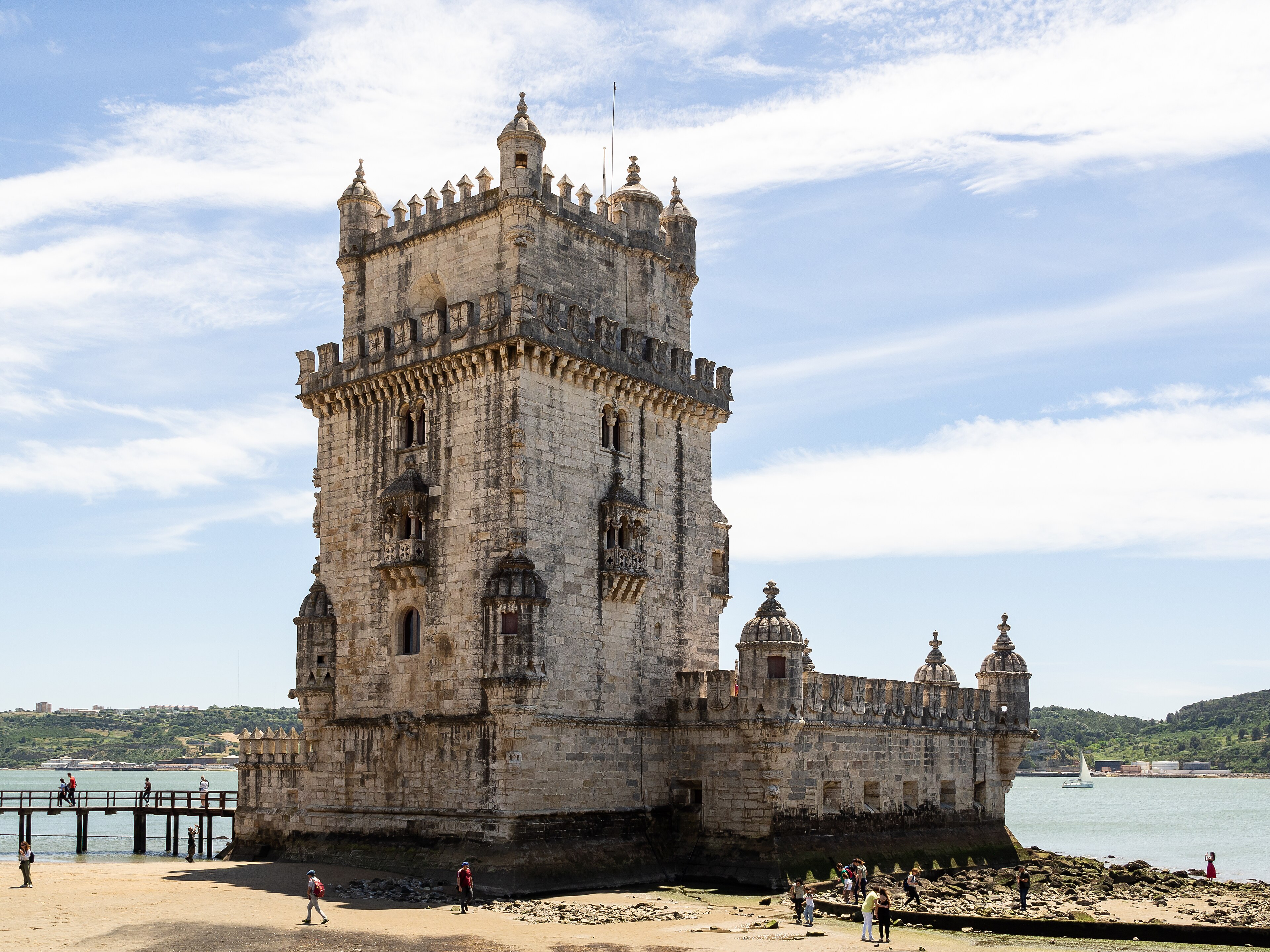
Belém is different.
It is not simply another Lisbon neighborhood filled with attractions.
It tells a particular story.
This is where Lisbon's connection with Portugal's maritime history becomes especially visible.
Jerónimos Monastery was founded near the Tagus and became closely associated with Portuguese seafarers and the Age of Discoveries. Nearby Belém Tower also reflects that maritime era and Lisbon's historic relationship with the river and port.
That makes Belém worth considering.
But it does not automatically make Belém mandatory.
If you have only a short time in Lisbon and architecture or maritime history holds little interest for you, spending a large part of the day traveling to and exploring Belém may not be your highest priority.
If that history does interest you, the opposite is true.
Belém may be one of the most meaningful parts of the trip.
This is the distinction Portugal Considered should help you make.
Important does not always mean important to your trip.
If You Go to Belém, Don't Turn It Into Another Checklist
It is tempting.
Jerónimos.
Belém Tower.
Monument to the Discoveries.
Museums.
Pastry.
Waterfront.
Next.
But the purpose of going to Belém is not collecting the attractions located there.
It is understanding a different part of Lisbon.
Start with the experience that matters most.
For many visitors, that will be Jerónimos Monastery.
Its architecture and historical role make it one of the clearest expressions of the period Belém represents.
Then leave room for the district itself.
Walk toward the river.
See the tower if it interests you.
Stop for a pastel.
You don't need to turn every famous building into an interior visit.
Sometimes seeing the place, understanding its story and continuing along the river is enough.
3. Lisbon as an Experience
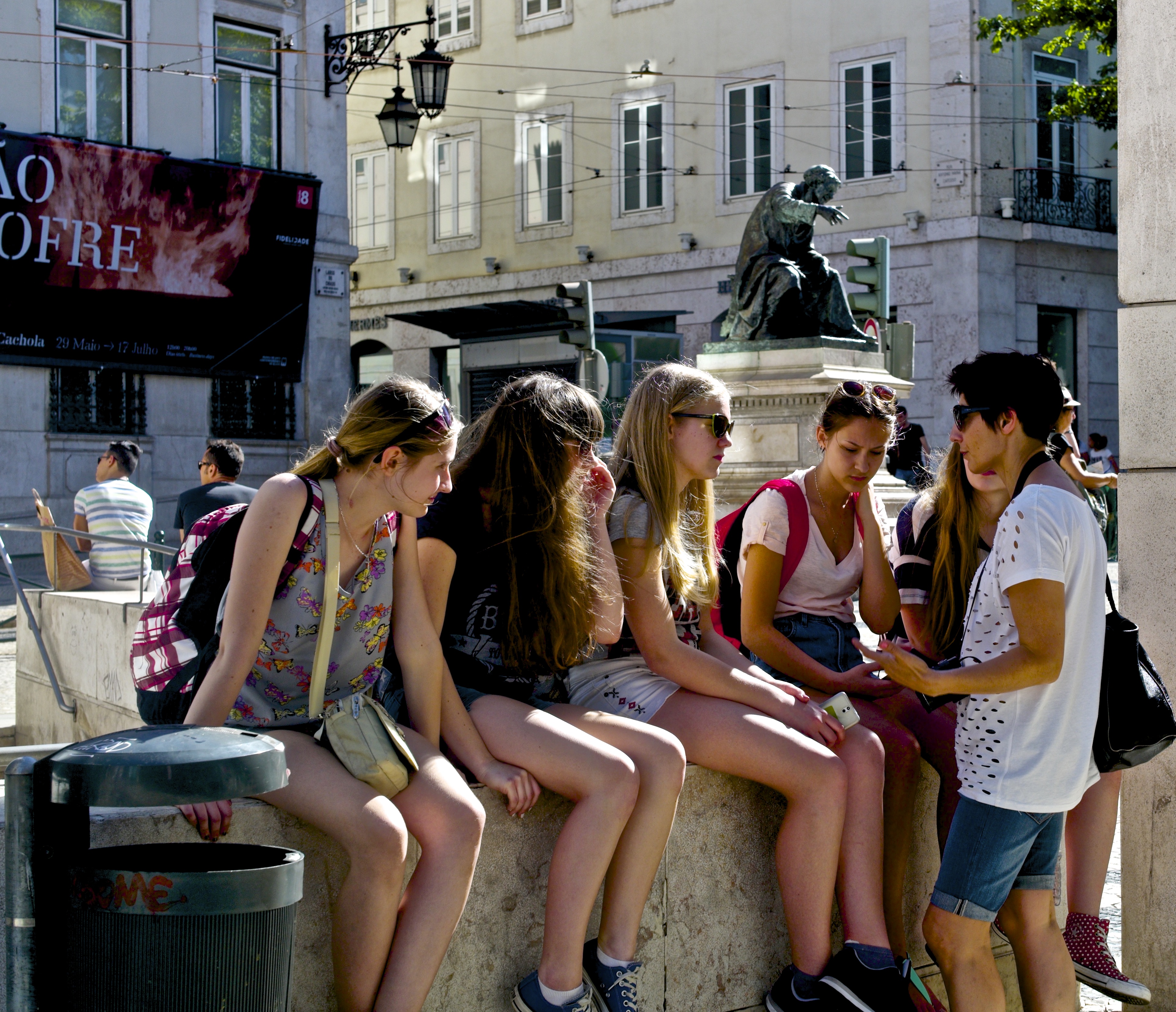
This may be the easiest part of a Lisbon itinerary to sacrifice.
It may also be the part people remember most.
There is always another attraction.
Another church.
Another museum.
Another viewpoint.
Another neighborhood.
And because those places have names, opening hours and map pins, they feel easier to justify in an itinerary.
Experiences without names are harder to schedule.
Lunch that lasts longer than expected.
A street you decide to follow.
Sitting at a viewpoint.
Listening to music.
Stopping because Lisbon looks particularly beautiful in the late-afternoon light.
Those things don't look impressive on a spreadsheet.
They can make the trip.
Do not schedule Lisbon so completely that there is no time left to experience Lisbon.
Is Fado Worth It?
For travelers interested in Portuguese culture, Fado can add something that another monument cannot.
It belongs to Lisbon's cultural history and remains particularly associated with traditional neighborhoods including Alfama and Mouraria.
But again, interest matters.
Do not attend Fado because a Lisbon checklist says you should.
Go because spending an evening listening to Portuguese music sounds like an experience you would value.
If it does, protect time for it.
That may mean seeing one fewer attraction during the afternoon.
That is not necessarily a sacrifice.
It may be a better use of the trip.
What About Tram 28?
The famous tram is part transportation, part Lisbon icon and part experience.
It travels through several of the city's older neighborhoods.
But the same principle applies.
Ask what you actually want from it.
If riding a historic Lisbon tram through the old city sounds enjoyable, ride it.
If you are waiting in a long line primarily because every Lisbon itinerary says Tram 28 is mandatory, reconsider.
You can experience Lisbon without proving that you rode a particular tram.
Famous does not automatically mean essential.
What About Museums?
Lisbon has enough museums to consume several days.
That does not mean a first visit needs to include several of them.
Choose a museum because its subject belongs in your trip.
Art.
Tiles.
Fado.
Coaches.
Maritime history.
Contemporary culture.
Whatever genuinely interests you.
A museum that closely matches your interests can easily deserve two hours that might otherwise have been spent visiting several more famous places.
But don't add museums simply because they appear on lists of Lisbon's major attractions.
Your time inside should earn its place against your time outside.
That matters especially in Lisbon.
What About the Famous Pastries?
Eat them.
But don't turn them into sightseeing homework.
Food is one of the easiest ways to allow a destination to become part of the trip rather than another thing to observe.
A pastel de nata does not need to become an expedition to the supposedly perfect bakery every time you want one.
Belém is the exception worth understanding historically: Pastéis de Belém dates its production of the area's famous pastries to 1837 and connects their origin with the neighboring monastery.
If you are already visiting Belém, that history makes the stop particularly natural.
Elsewhere, enjoy Lisbon.
Coffee and pastry can be a pause rather than a project.
If You Have Only One Full Day
Do not attempt to experience every side of Lisbon equally.
Choose historic Lisbon as the foundation.
Spend meaningful time walking through the older city.
Include a viewpoint.
Choose one major attraction if there is something you particularly want to see.
Have a real meal.
Then leave enough time for Lisbon itself.
Belém may fit if it is one of your highest priorities.
But adding Belém simply because it is famous can turn a one-day visit into a transportation exercise.
With only one day, subtraction is often the better planning skill.
If You Have Two Full Days
Now Lisbon begins to open.
Use one day primarily for the historic city.
Alfama.
Baixa.
Chiado.
A viewpoint.
Perhaps the castle or another major attraction you genuinely want.
Then use the second day to experience a different Lisbon.
For many travelers, that means Belém.
For others, it may mean museums, neighborhoods, food or simply a slower day in the city.
And one evening can become something different again.
Dinner.
Fado.
A walk.
A viewpoint near sunset.
Two days should not merely double the number of attractions.
They should broaden the experience.
If You Have Three or More Full Days
This is where you can stop making so many compromises.
Belém no longer has to compete as aggressively with Alfama.
A museum does not have to displace an entire neighborhood.
A long lunch doesn't threaten the itinerary.
You can return to somewhere you liked.
You can explore another neighborhood.
And you can allow parts of Lisbon to remain unplanned.
That last point matters.
The benefit of an additional day is not simply that you can see more.
It is that you can experience what you see with less urgency.
A Simple Way to Decide What Deserves Your Time
Before building the itinerary, write down three things.
1. The Lisbon I most want to experience
Historic streets and neighborhoods?
Portuguese maritime history?
Food and culture?
Architecture?
Views?
Music?
Begin there.
2. The one major sight I would be disappointed to miss
Maybe it is Jerónimos Monastery.
Maybe São Jorge Castle.
Maybe something completely different.
Choose it intentionally.
3. The experience I want that doesn't require sightseeing
A Fado evening.
A long meal.
A sunset viewpoint.
Walking through Alfama.
Coffee without checking the time.
Protect that too.
Then build the itinerary.
Not before.
The Bottom Line
What is actually worth seeing in Lisbon?
For most first-time visitors, the answer is not a longer list.
Experience the historic city.
Understand Lisbon's relationship with the river and Portugal's maritime past if that history matters to you.
And leave enough room to experience something that cannot be reduced to an attraction.
You may visit Alfama without entering every church.
You may go to Belém without touring every monument.
You may admire Lisbon from a viewpoint instead of adding another museum.
You may decide that an evening of Fado matters more than one additional afternoon attraction.
Those are not things you failed to see.
They are decisions about the trip you chose to have.
So before adding another Lisbon attraction, ask:
Will seeing this help me experience something important about Lisbon—or am I adding it because it is famous?
The answer will usually tell you whether it deserves your time.
Photo Credits
Lisbon cityscape — Wikimedia Commons, Creative Commons licensed photograph.
Belém Tower and the Tagus — Wikimedia Commons, Creative Commons licensed photograph.
Lisbon evening scene — Wikimedia Commons, Creative Commons licensed photograph.